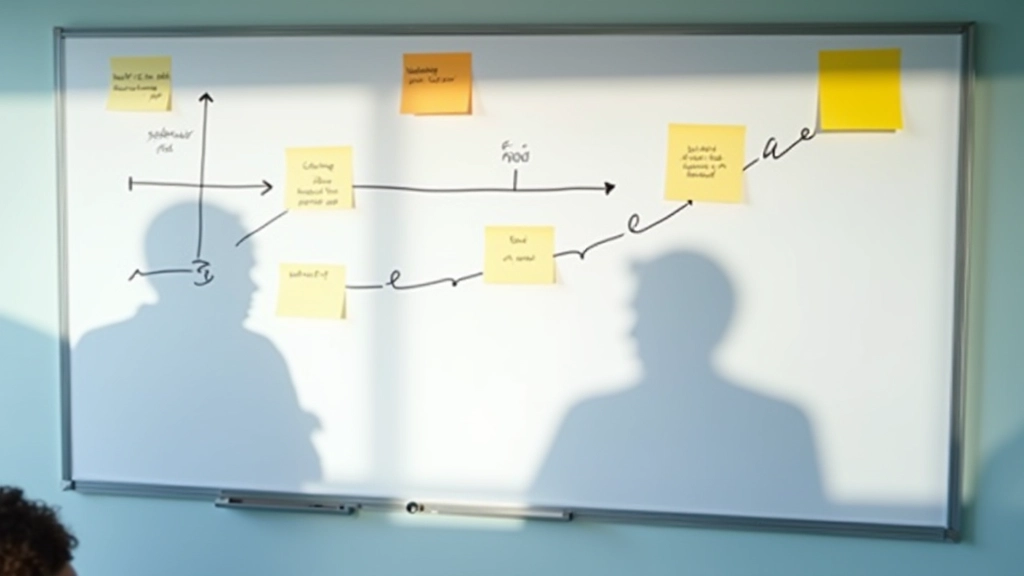
Building a Change Management Framework That Actually Works
A practical approach to creating organizational structures that support transformation without overwhelming your team.
Essential strategies for organizational transition in Sha Tin's tech parks
In-depth guides for navigating organizational change
A practical approach to creating organizational structures that support transformation without overwhelming your team.
Step-by-step planning process for transitioning your organization's technology infrastructure. Covers assessment, prioritization, and phased rollout.
How managers can communicate change effectively, maintain team morale, and address resistance during digital transformation initiatives.
Evaluating new systems, managing integration challenges, and ensuring user adoption when rolling out technology in tech parks.
Quick answers to help you understand the transition process
Most organizational transformations span 18-36 months depending on company size and complexity. Phased rollouts help manage timeline and risk. Breaking it into smaller milestones makes the process feel more manageable for teams.
Employee resistance is almost always the top challenge. People are naturally cautious about change. The solution isn't forcing adoption — it's involving teams early, listening to concerns, and showing how changes benefit their work.
For larger transformations, yes. A dedicated team ensures consistent communication, manages stakeholder expectations, and handles resistance constructively. Even small organizations benefit from assigning someone to oversee change initiatives.

Essential concepts that drive successful organizational transitions
Articulate why the change is happening and what success looks like. When teams understand the bigger picture, they're more engaged in achieving it.
Involve key people from the start. Get feedback, address concerns, and make people feel heard. It's not top-down — it's collaborative.
Track progress against defined metrics. Be willing to adjust course based on what you learn. Transformation isn't rigid — it's responsive.